AI-Powered Development
Explore the latest approaches to integrating local and cloud AI models into modern development workflows.



Five days of live-hosted technical sessions, practical demonstrations, and fresh perspectives on Delphi, C++Builder, RAD Studio, and AI-powered development.
And this year, we're taking CodeRage beyond the traditional online conference.
Get ready for immersive virtual conference experiences where you can explore themed environments, discover technical content, and connect with a whole new way to experience CodeRage.
THE DEVELOPER EXPERIENCE
CodeRage returns with the technical content developers know and value, alongside something entirely new.
Join our live-hosted sessions throughout December 7-11, then explore a collection of immersive virtual conference worlds designed to make learning more interactive, engaging, and memorable.
Explore the latest approaches to integrating local and cloud AI models into modern development workflows.

Discover new techniques, components, and practical ways to build powerful applications.

Learn approaches to designing intuitive, responsive, and engaging application experiences.

Gain practical knowledge through live-hosted sessions, technical demonstrations, and hands-on how-to content.
Five days of technical sessions. New development insights. And a CodeRage experience unlike any before.
Join us December 7-11 and be among the first to discover what's coming.
THE CODERAGE AGENDA

The math and science of random numbers in Delphi and C++Builder.
“Computers can’t make real random numbers,” is a myth. What are “real random numbers” anyway? I’ve always found random numbers fascinating, but have been especially obsessed lately. I've found they are way more interesting than I realized.
Humans are terrible at probability and statistics. In GenAI we call randomness temperature, and use it as a proxy for creativity. This makes it even more important to understand random numbers and their role in our world.
You know Cloudflare’s lava lamp powered "Wall of Entropy,” well it turns out the original creator of LavaRand came up with an even better and easier solution, but it doesn’t look as cool. If you want a little more entropy in your life Cloudflare is part of the League of Entropy, which offers a free distributed randomness beacon similar to the one offered by the NIST.
Speaking of the National Institute of Standards (NIST), they maintain guides on generating and validating random numbers. These are mostly focused around random numbers and cryptography. So naturally we will take a look at those as well.
I collect random number generators, and recently I’ve built a few new hardware random number devices, including a quantum random number generator using fiber optics. Why do I need a QRNG? I’m glad you asked…
If you call it uncertainty, chaos, unpredictable, randomness, or fate, there are some things just beyond our understanding. This is more than just math and physics, there is also a psychological and philosophical element to it. Don’t worry, I’ll keep things mostly focused on math, algorithms, hardware and code. Getting really random is easier than you might expect, but there are still advantages for less random sources. The key is knowing the difference.
The one and only.
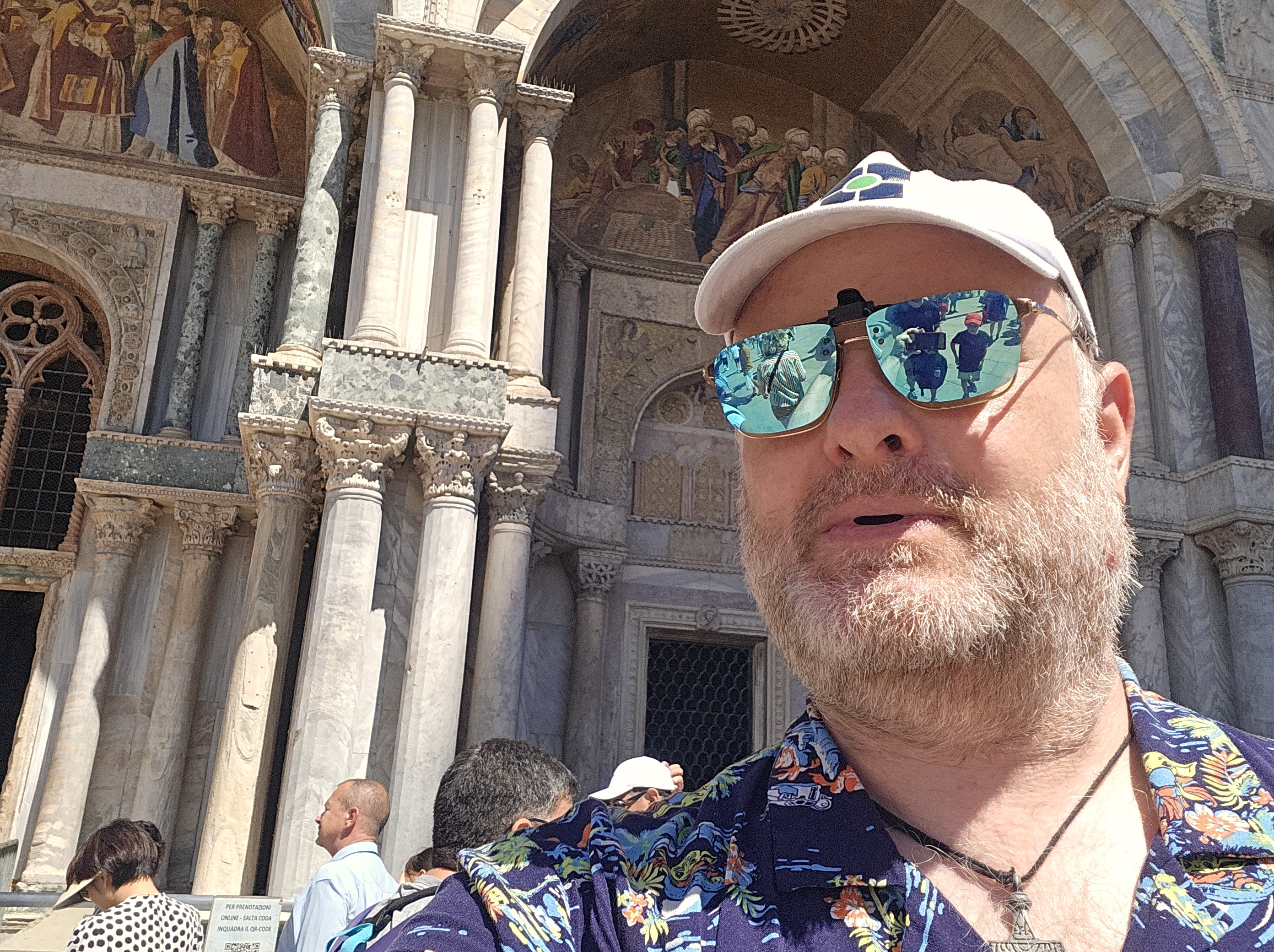
By this new technological era, AI developers has much more responsibilities when they are developing or updating their AI products. This presentation is about what responsibilities do AI developers have to ensure that their AI products, training data, infrastructure, and deployment remain safe, secure, reliable, and beneficial - even when users behave maliciously or systems fail.
Dr. Yilmaz Yoru has 35+ years of coding with more than 30+ programming languages, mostly C++ on Windows, Android, Mac-OS, iOS, Linux, and some other operating systems. He graduated and received his MSc and PhD degrees from the Department of Mechanical Engineering of Eskisehir Osmangazi University. He is the founder and CEO of ESENJA LLC Company. His interests are Programming, Thermodynamics, Fluid Mechanics, Artificial Intelligence, 2D & 3D Designs, and high-end innovations.

Five practical AI features to apply in your software to scale sales and get even better results.
ML & Automation Engineer and Google Cloud Certified Architect with 15+ years of software development and engineering leadership experience. Combining a background in Control and Automation Engineering with a postgraduate AI specialization to build scalable, intelligent systems.
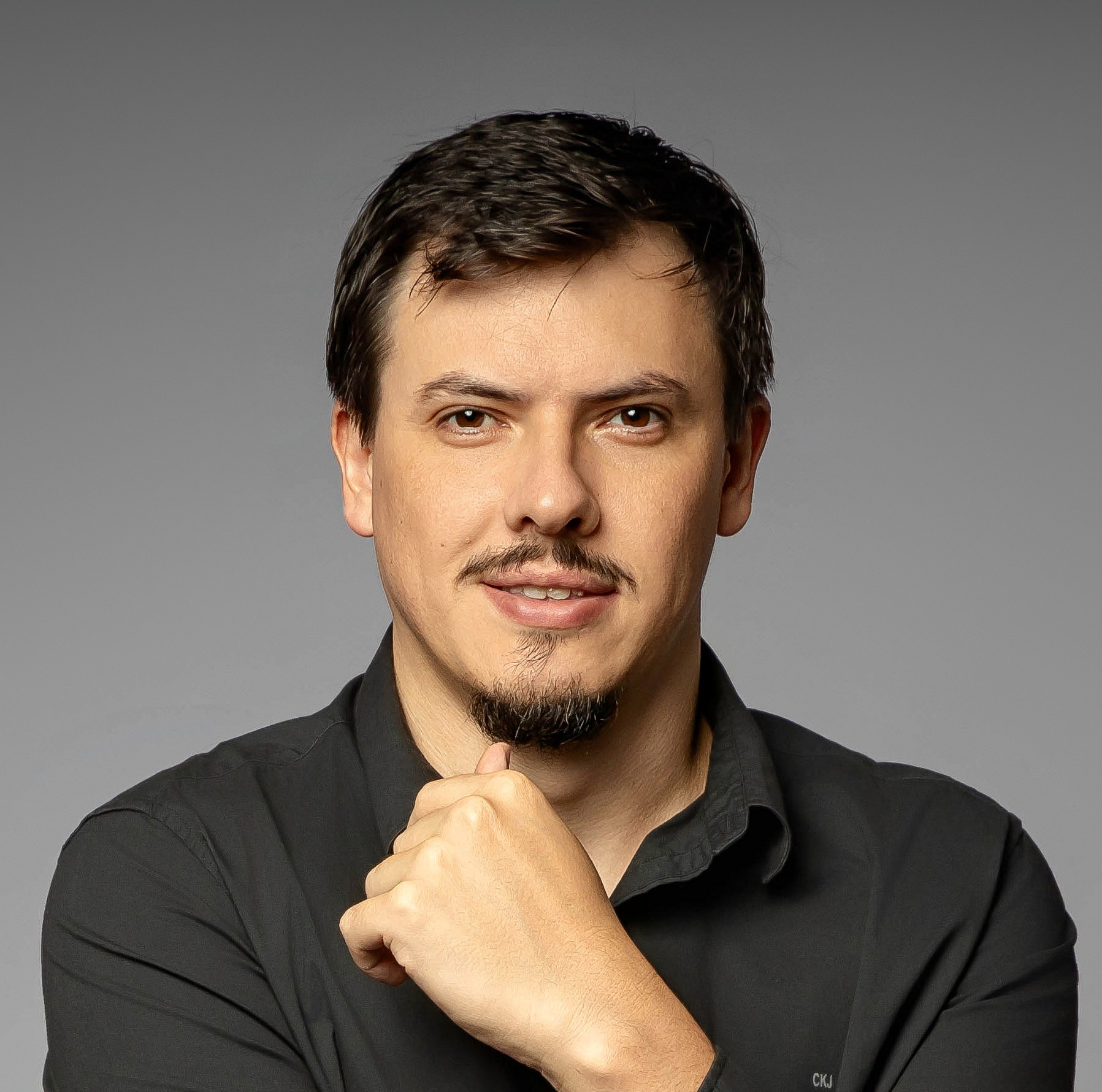
Styling applications to match an existing corporate identity has traditionally required considerable manual effort. In this session, we'll preview major improvements to TMS FNC that make application-wide theming and styling a matter of just a few clicks, including better integration with existing VCL and FMX styles. We'll also demonstrate how AI can help translate existing branding, websites, and business requirements into consistent application themes and initial project structures, including the selection and configuration of suitable components. The goal is to make creating professional, consistently styled applications a simple, streamlined process, allowing developers to focus on business logic rather than UI customization.
Founded TMS Software in 1996 and started out building VCL components for the very first version of Delphi. In 1998 TMS Software became a Borland Technology Partner, and its grid and scheduling components won several Delphi Informant awards. The company added FireMonkey components for cross-platform development in 2011. In 2016 it introduced FNC, a framework-neutral component architecture that lets the same UI controls run in VCL, FMX and web applications, and in 2018 it launched TMS WEB Core for building web applications in Object Pascal. Since TMS Software joined Legacies in 2025, Bruno has been the company's CTO. He speaks regularly at developer conferences such as DelphiTage, Delphi Summit, EKON, CodeRage and the International Pascal Congress, and has been an Embarcadero MVP since 2012.
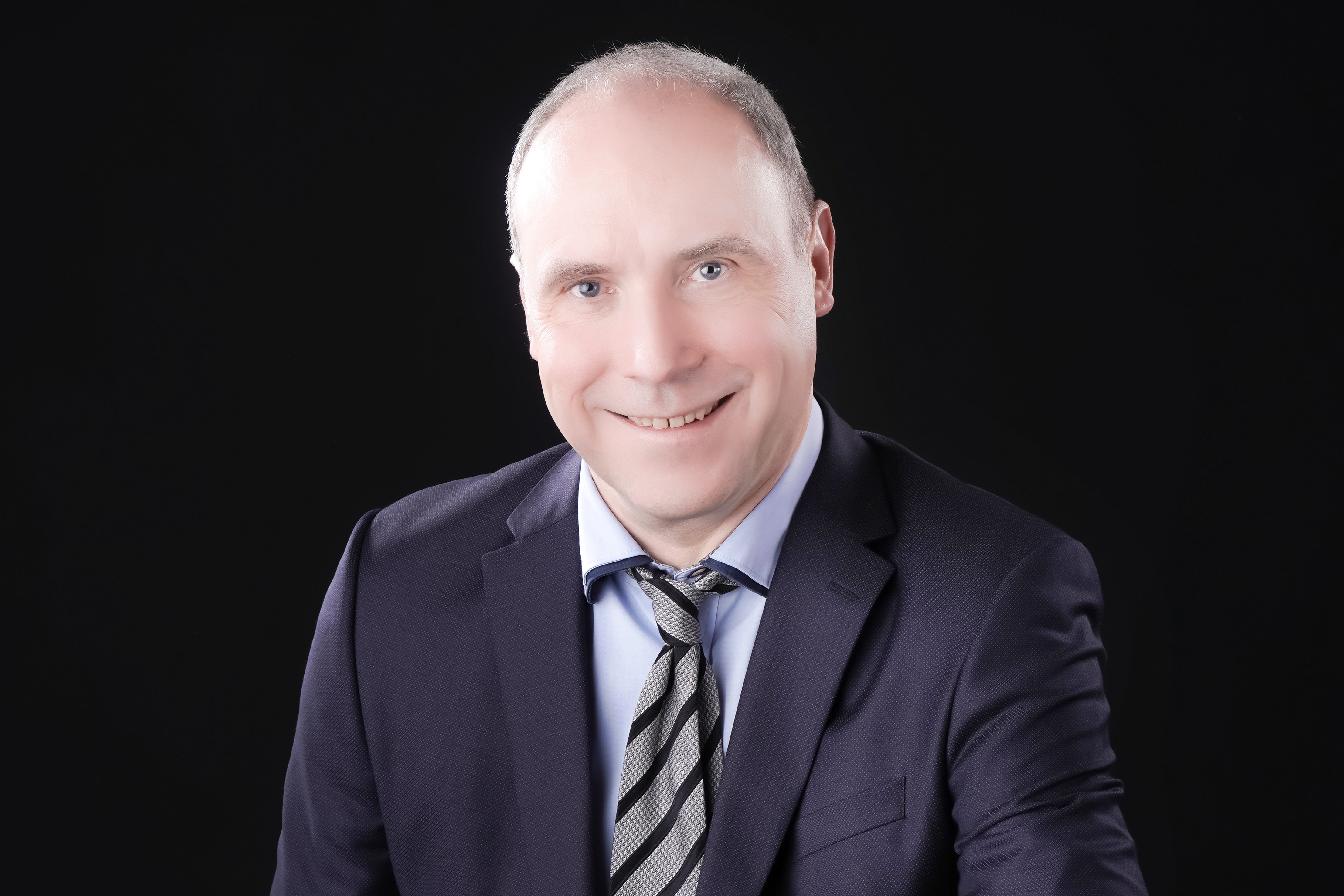
Most large language models can write excellent Python, JavaScript and HTML. But what is the quality of the produced Delphi code? How can an LLM benefit from all the knowledge we have accumulated over 30 years of Delphi development?
Context4D is a free catalogue of Delphi knowledge, libraries, quirks and everything an AI does not automatically use while writing Delphi code. In this session I'll show you how to connect Claude Code, Codex or Kai to Context4D, and what a difference it makes.
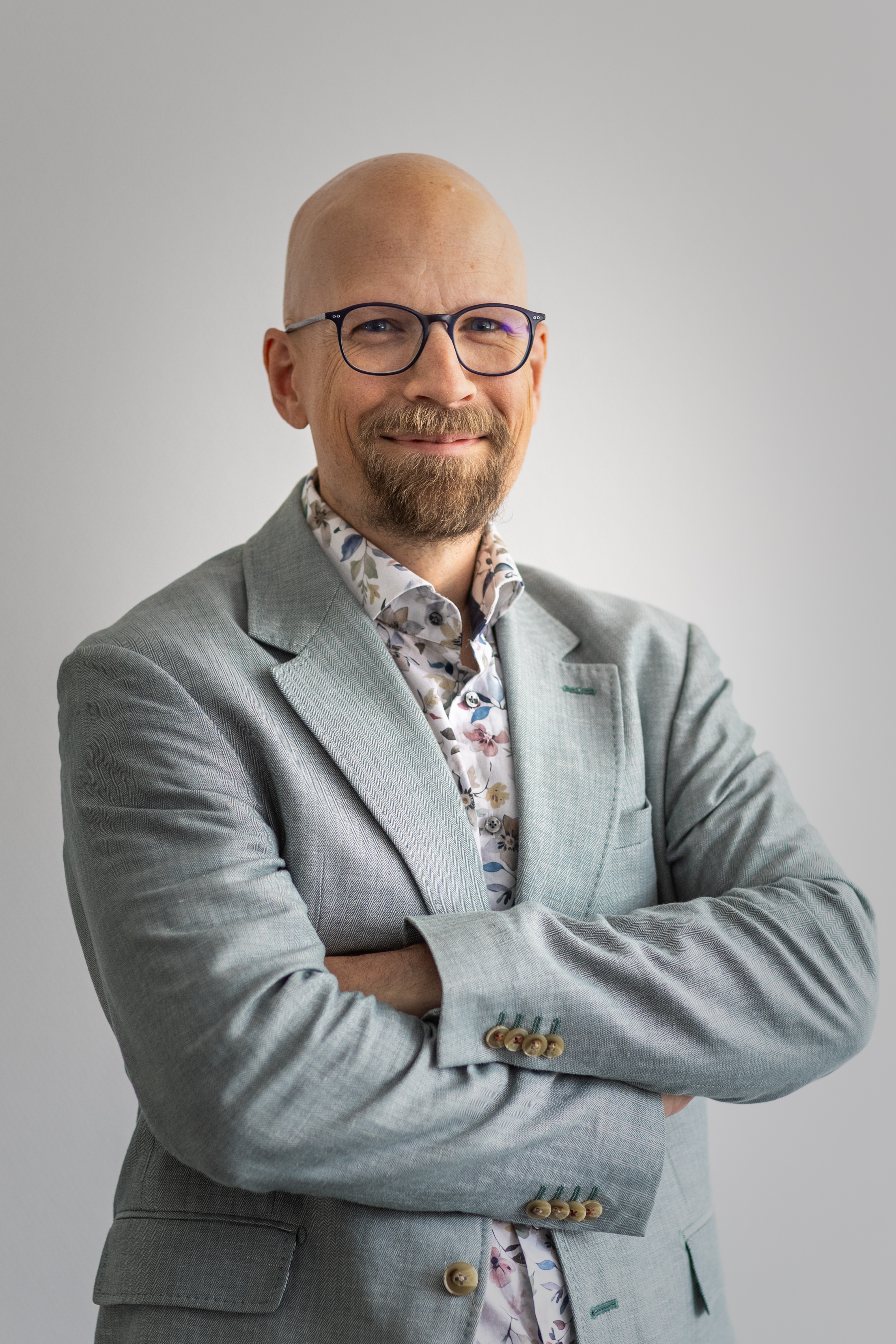
RADWinUI, a WinUI-3 framework for Delphi + IDE Plugin and Tool Palette components.
More than 15 years of experience across software engineering.
Tips and tricks to (at least try) keep your software secure.
ML & Automation Engineer and Google Cloud Certified Architect with 15+ years of software development and engineering leadership experience. Combining a background in Control and Automation Engineering with a postgraduate AI specialization to build scalable, intelligent systems.
TaurusTLS library: development progress, roadmap, sidecar projects.
Over 35 years of IT experience and 20 years in QA, with a strong enterprise background and a lifelong passion for coding in Pascal and Delphi.
Chief Architect of TaurusTLS.

This presentation is about to teach some tips to develop C++ and C++ Builder applications with AI.
Dr. Yilmaz Yoru has 35+ years of coding with more than 30+ programming languages, mostly C++ on Windows, Android, Mac-OS, iOS, Linux, and some other operating systems. He graduated and received his MSc and PhD degrees from the Department of Mechanical Engineering of Eskisehir Osmangazi University. He is the founder and CEO of ESENJA LLC Company. His interests are Programming, Thermodynamics, Fluid Mechanics, Artificial Intelligence, 2D & 3D Designs, and high-end innovations.
Many Delphi developers are familiar with using TFDQuery, SQL statements, and FieldByName to work with relational databases. While this approach remains useful, it can also lead to repetitive data-mapping code and field names scattered throughout an application.
In this session, we'll explore Trysil, an open-source, attribute-driven ORM for Delphi developed by David Lastrucci.
We'll examine how Trysil builds on FireDAC to map database tables to Object Pascal classes using attributes, generics, and RTTI.
Through practical demonstrations, we'll explore entity mapping, querying, and common database operations, comparing these approaches with traditional FireDAC development.
We'll also discuss supported Delphi versions, database compatibility, and the potential advantages and trade-offs of introducing an ORM into an existing application.
The goal is to provide a practical introduction to Trysil from the perspective of an experienced Delphi developer exploring modern approaches to database access, helping attendees understand where the library might fit into their own projects.
Rafael Hassegawa is a Senior Software Engineer with over 17 years of experience in software development, including more than a decade specializing in Delphi and Object Pascal.
His professional background includes enterprise applications, financial systems, SQL Server, database performance optimization, REST API integrations, and legacy system modernization.
Passionate about the Delphi ecosystem, Rafael enjoys exploring development tools, open-source projects, and practical approaches to building and maintaining reliable software. He shares technical insights and discoveries with the international Delphi community through LinkedIn and his Welcome 2 Delphi initiative.

Exploring the relationship between the high level human readable source code we write and the binary machine code that powers our computers.
Back in the 80s I taught myself how to use the command-line debug.exe that shipped as part of MS-DOS to edit games. Debuggers have come a long way since then, but the relationship between machine readable and human readable code has always fascinated me.
Our first stop is in the IDE, looking at some of the different debugging features it provides. Just like Delphi has a different compiler for each platform, that also means different debugger options too. This gets really interesting when you want a MAP file for external debugging, or even need to convert it to a PDB.
That brings us to the LLVM tool-chain and the process of rendering source code interleaved with assembly representation to better understand how the code we write behaves at runtime, and how that changes from platform to platform. Beyond LLVM, we’ll look at external debuggers like Capstone, x64dbg, and Ghidra (by the NSA).
I also made a really fun utility that visualizes the relationship between different data types, and encodings. That resulted in me going down the rabbit hole of understanding the IEEE 754 floating point standards to make sense of why a signaling "Not a Number" (NaN) value becomes non-signaling when it is passed through an 32-bit Intel x86 register, but not when passing through a 64-bit AMD64 register.
Have you ever wondered how many different infinities ∞ the IEEE 754 floating point standard supports? It is more than one, and less than infinite. Come to the session and find out the exact number...
The one and only.
How to test software like it is 2026.
ML & Automation Engineer and Google Cloud Certified Architect with 15+ years of software development and engineering leadership experience. Combining a background in Control and Automation Engineering with a postgraduate AI specialization to build scalable, intelligent systems.
Join them as they discuss the latest industry trends, especially in AI, the massive changes in the development industry, Delphi in space (for real!), and where things are heading in the next year. Are we all doomed? Is this the greatest time for mankind? How far can hookups like Claude go in the next few months?
We will also try to answer your questions live on air. Email your questions to ian.barker@embarcadero.com
Let's develop games and have fun doing it, by combining Castle Game Engine, Delphi, and our human brains:)
1. We'll look into what the engine offers, in particular our support for cross-platform application development (covering Windows, Linux, Android, iOS with Delphi), visual designing of games (with our engine editor), physics, shader effects and integration with many asset formats (glTF, X3D, IFC, Spine...).
2. We will show developing and integrating 3D assets too, so you can see how to make a complete playable game. We will show how to get assets from sites like OpenGameArt and Sketchfab, and tweak and rearrange them in Castle Game Engine editor and Blender.
We will be true to the presentation title -- no AI. Just cool stuff made by humans, both code and game data, and let me show you how far we can get during this presentation!
Author of Castle Game Engine, modern open-source game engine. Wrote "Modern Object Pascal Introduction for Programmers". Member of Web3D consortium (X3D), liaison to Khronos (glTF). Maintainer of PasDoc, a Pascal documentation generator. A fan of open-source, games and Pascal.
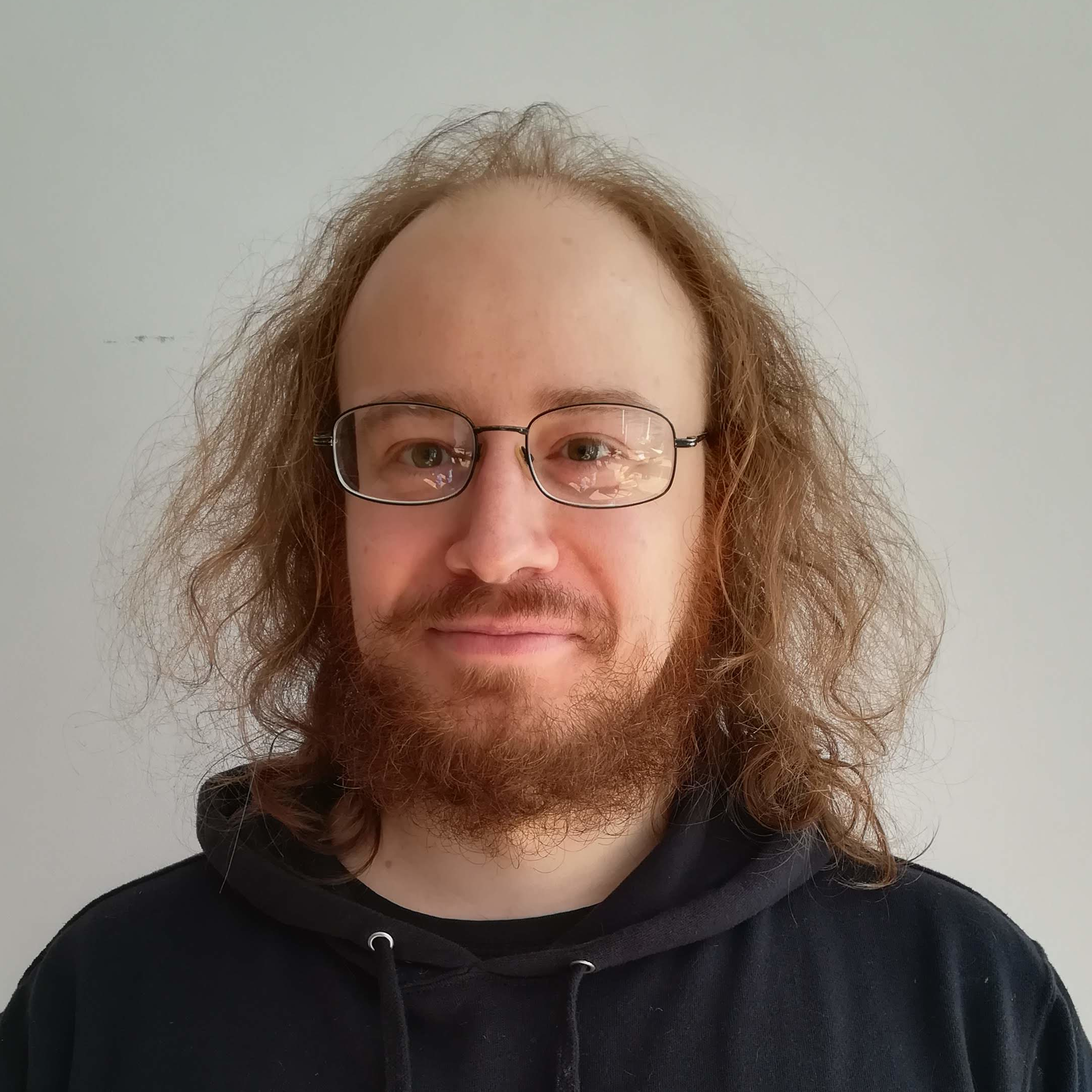
This year, the 3D visualisation control created for Algosim has been refactored into a stand-alone VCL control available in GetIt under the MIT license. In this talk, I’ll show how you can use this control to add state-of-the-art mathematical visualisation capabilities to your own Delphi VCL applications.
Mathematician, scientist and software developer with more than 25 years of experience of Delphi and Win32.
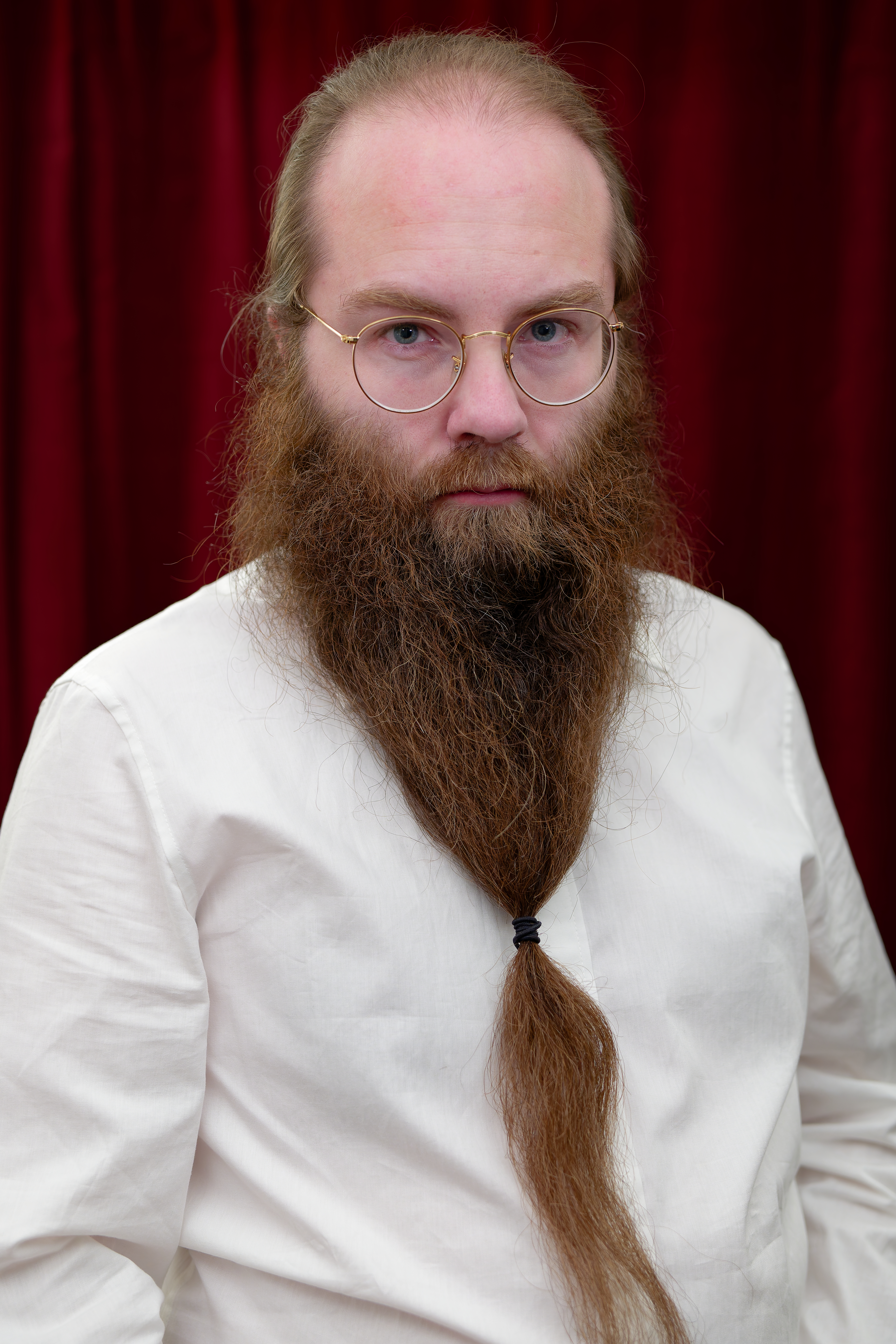
NX Foundry is a modern, versatile, cross-platform unit testing and mocking framework for Delphi, supporting versions from Delphi 7 to the latest releases. Simple to use and easily extendable, NX Foundry provides support for console and GUI runners for both VCL and FMX frameworks, as well as TestInsight.
Software Developer and book Author: Crashing other people's software and writing my own since '85.

Things that are now automatic and improve our daily lives.
ML & Automation Engineer and Google Cloud Certified Architect with 15+ years of software development and engineering leadership experience. Combining a background in Control and Automation Engineering with a postgraduate AI specialization to build scalable, intelligent systems.
Lists form the foundation of many applications, especially mobile applications. The FMX framework provides an extremely powerful and flexible TListView control. This session will cover everything you need to know to get the most of this versatile control: from leveraging the many built-in features to designing completely custom layouts. The presentation is filled with several real world examples demonstrating a wide variety of capabilities.
Ray Konopka is a Principal Software Engineer with The Walt Disney Company. Ray is also the president and founder of Raize Software, as well as the creator of CodeSite and the Konopka Signature VCL Controls (formerly called Raize Components). He is the author of the highly acclaimed Developing Custom Delphi Components books, a co-author of several other Delphi books, and has published numerous articles on software development. Ray specializes in UI/UX design, custom component development, and mobile solutions. An engaging presenter, Ray is an Embarcadero MVP and a frequent speaker at developer conferences.
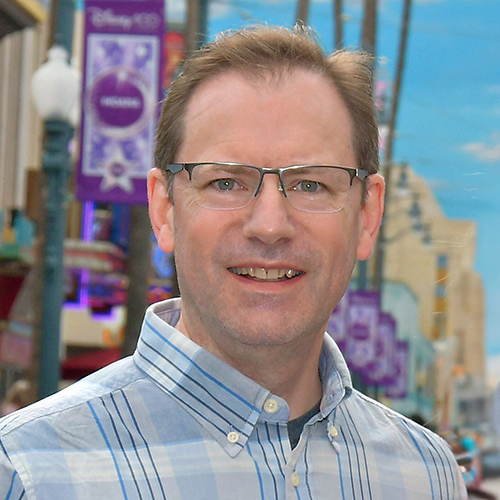
Dark styles and themes are becoming quite prevalent. Windows and MacOS support dark styles system wide, and Delphi has included dark VCL styles for quite some time. However, if you have ever tried using one of the built-in dark styles in your app, you may have found that your interface doesn't look quite right. You may not be able to put your finger on it, but the dark style does not have the same impact as the light style. In this session, I'll show you why and more importantly, how to fix it.
Ray Konopka is a Principal Software Engineer with The Walt Disney Company. Ray is also the president and founder of Raize Software, as well as the creator of CodeSite and the Konopka Signature VCL Controls (formerly called Raize Components). He is the author of the highly acclaimed Developing Custom Delphi Components books, a co-author of several other Delphi books, and has published numerous articles on software development. Ray specializes in UI/UX design, custom component development, and mobile solutions. An engaging presenter, Ray is an Embarcadero MVP and a frequent speaker at developer conferences.
AI-Ready Web Applications with WebMCP in WebStencils.
ML & Automation Engineer and Google Cloud Certified Architect with 15+ years of software development and engineering leadership experience. Combining a background in Control and Automation Engineering with a postgraduate AI specialization to build scalable, intelligent systems.
Sessions Coming Soon
We're preparing an exciting lineup of technical sessions and expert-led presentations. Check back soon for the full schedule.

Join Ian Barker as he guides you through CodeRage 2026, bringing together technical experts, practical demonstrations, and discussions about the technologies shaping modern software development.
OUR EVENT SPONSORS
Meet the companies supporting CodeRage 2026 and discover their products and special offers for attendees.
TMS Software creates developer components and tools for Delphi, C++Builder, and other development platforms.
Visit TMS Software
Developer tools and database connectivity solutions for building and managing applications.
Visit Devart
Mitov Software builds high-performance Delphi and C++Builder libraries for multimedia, computer vision, AI, signal processing, and data visualization. Its products include VideoLab, AudioLab, VisionLab, SignalLab, PlotLab, and more. Mitov also creates Visuino, a visual programming environment for Arduino, ESP32, and IoT.
Founded in 1996, Steema Software develops high-performance charting and data visualization solutions. Its TeeChart library helps developers create interactive visualizations for engineering, scientific, financial, and industrial applications.
Explore TeeChart VCLOUR EVENT PARTNERS
We're bringing together experts and partners who share our commitment to helping developers build better software.

This section will feature confirmed partners.